
What's Included in a Full-Service Dinner? | Ocotillo
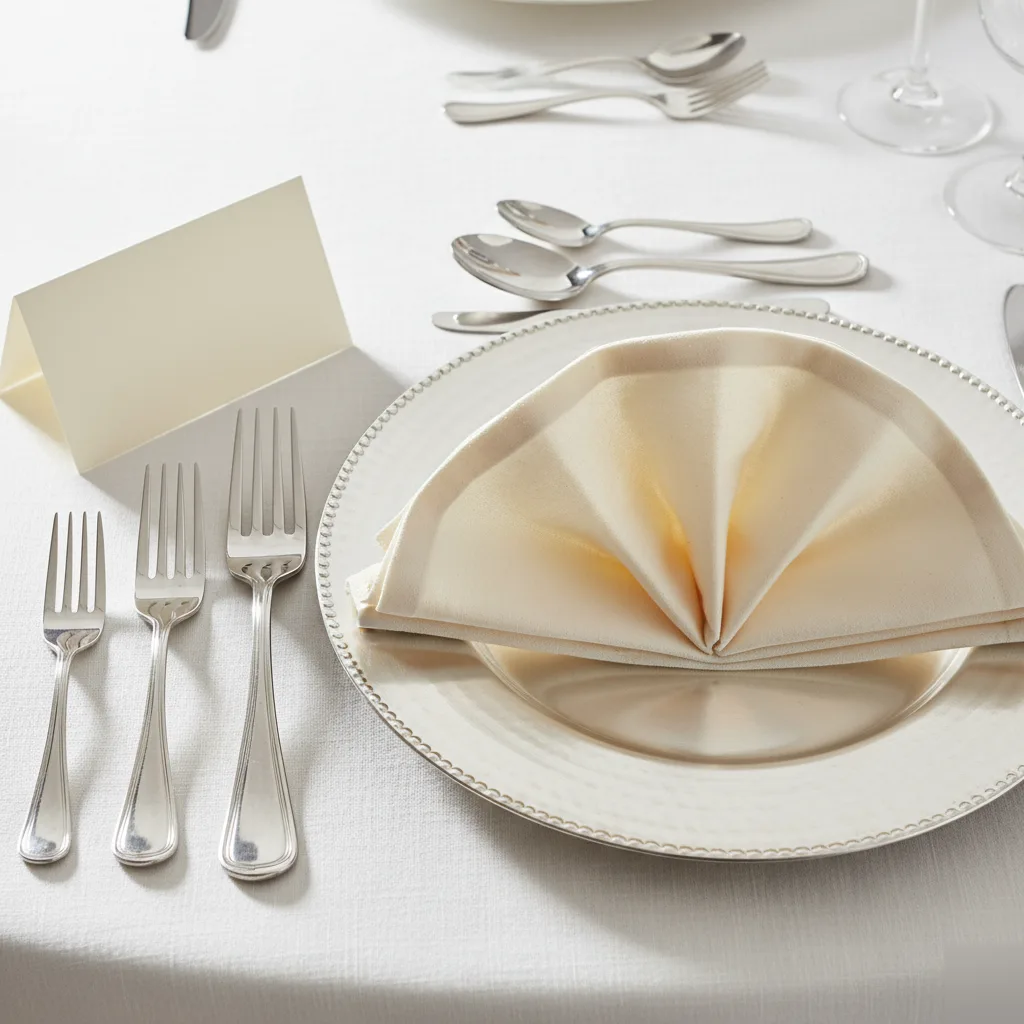

A Full-Service Dinner Follows a Structured Experience From Start to Finish
Most people think a full-service dinner just means someone brings food to your table. That's only part of it. A real full-service dinner follows a clear sequence, each step building on the last. Our full-service dinner in Grand Junction takes that sequence seriously because it's what turns a meal into an actual evening out, not just fuel before the drive home.
Here's what actually happens.

- Greeting and seating. A host welcomes you and brings you to your table. You should feel noticed the moment you walk in. That first thirty seconds sets the tone for everything.
- Drink service. Your server introduces themselves and takes your drink order first. Craft cocktails, a glass from the wine bar, something cold from the beer list, the point is getting you comfortable before you even open the food menu.
- Appetizer course. Starters come next. Smaller dishes, lighter flavors. Think of them as a warm-up before the main event.
- Entrée course. This is the heart of it. Your main dish arrives plated and ready. Your server checks back to make sure everything's right.
- Dessert and after-dinner drinks. Once your plates are cleared, you're offered a dessert menu. A final drink, maybe. This is the part most people skip at home but love at a restaurant.
- Check presentation and farewell. Your server drops the check when you're ready. No rushing. You leave on your own terms.
Each of those six steps matters.
We see people surprised by how different a full-service dinner feels compared to casual dining. The pacing is deliberate. Your appetizer doesn't land at the same time as your entrée. Your server doesn't disappear for twenty minutes. Someone is always watching your table without hovering over it, that balance is harder to pull off than most folks realize.
Why the Order Matters More Than You Think
Skip a step and the whole thing shifts. Imagine getting your entrée before your drinks arrive. Or having dessert offered while you're still working through your main plate. It feels wrong. And that's because a full-service dinner runs on rhythm.
The National Restaurant Association notes that guest satisfaction scores climb when service follows a consistent sequence. That tracks with what we've seen over the years here in Grand Junction. Families celebrating a birthday notice when things flow. So do couples on a date night. The structure is invisible when it works. You just feel taken care of.
But here's what a lot of people don't know. The kitchen runs on that same timeline. Your appetizer order tells the kitchen when to fire your entrée. Your server's timing on drink refills connects to when plates get cleared. It's a chain, every link counts.
Don't rush it. A full-service dinner is meant to be slower than what you're used to at home. You're not just eating. You're spending time with the people at your table while a team handles everything else around you.
If you've been curious about what a full evening at our table looks like, check out our dinner service page for the full picture.
Dinner Courses Are Served in a Specific Order for a Reason
There's real logic behind the way a full-service dinner unfolds. Each course builds on the one before it, guiding your palate from light to rich and back again. We see guests surprised by this all the time, but once you understand the flow, dining out feels completely different.
A traditional full-service dinner follows a sequence restaurants have refined over a long time. The National Restaurant Association notes that multi-course dining remains one of the top draws for guests choosing sit-down restaurants over fast-casual spots. Here in Grand Junction, our dinner service follows this same structure because it works.
The Standard Course Sequence
Most full-service dinners move through these stages in order:
- Appetizer or starter. Something small to wake up your taste buds. Lighter flavors, smaller portions. Sets the tone for everything that follows.
- Soup or salad. A bridge course. Salads bring freshness, soups bring warmth. Either one gets your stomach ready for the main event without filling you up too fast.
- Palate cleanser. Not every restaurant includes this, but upscale dinners often do. A small sorbet or light bite resets your mouth between courses.
- Main course or entrée. The star of the dinner meal. This is where the kitchen puts its biggest effort, the protein, the sides, the sauce work.
- Dessert. A sweet finish that brings the meal to a close. It signals your body and brain that the experience is wrapping up.
- After-dinner drinks. Coffee, digestifs, or craft cocktails to linger over. This is where conversation really opens up.
Each step has a job. Skip one and the rhythm feels off.
Why the Order Actually Matters
Ever eaten something heavy and then tried to enjoy a delicate appetizer? It doesn't land. Your palate gets overwhelmed by bold flavors early, lighter dishes lose their impact. That's exactly why restaurants sequence courses from mild to intense.
But it's not just about flavor. Pacing matters too. A good kitchen times each course so you're never waiting too long or feeling rushed. We aim for about ten to fifteen minutes between courses during our dinner service. That gives you time to talk, sip your wine, and actually enjoy the evening, not just sit there watching an empty plate.
Think about a Saturday night out here in the Redlands area. You've got a table with friends, the canyon light starting to fade behind the mesa. Appetizers arrive, everyone shares, the energy picks up. Then the salads come out, things settle into a groove. By the time the entrées hit the table, you're relaxed and hungry in the best way. That pacing is deliberate.
How Grand Junction Restaurants Put Their Own Spin on It
The classic French course structure is the foundation, but local restaurants adapt it. Some places combine soup and salad into one course. Others add a small bite before the appetizer. And during family dining, courses might arrive more casually so kids aren't squirming through six separate plates.
Most people don't realize how much thought goes into this. The kitchen isn't just cooking food in order. They're managing heat, timing, plating, and your whole experience at once.
So next time you sit down for a full-service dinner, pay attention to the flow. Notice how each course prepares you for the next one. That's not an accident, it's the whole point.
If you want to see this kind of course progression yourself, check out our dinner service page to see what we're serving right now.
The Service Team Is What Makes Full-Service Dining Different
You can get good food from a food truck. You can grab a nice drink at a bar. But what's included in a full-service dinner at a restaurant that you won't find anywhere else? The people taking care of you.
A full-service dinner means a trained team guides your whole meal. That starts the moment you walk through the door. Someone greets you, seats you, makes sure your table is ready. It sounds simple, it changes everything about how the evening feels.
More Than Just Taking Your Order
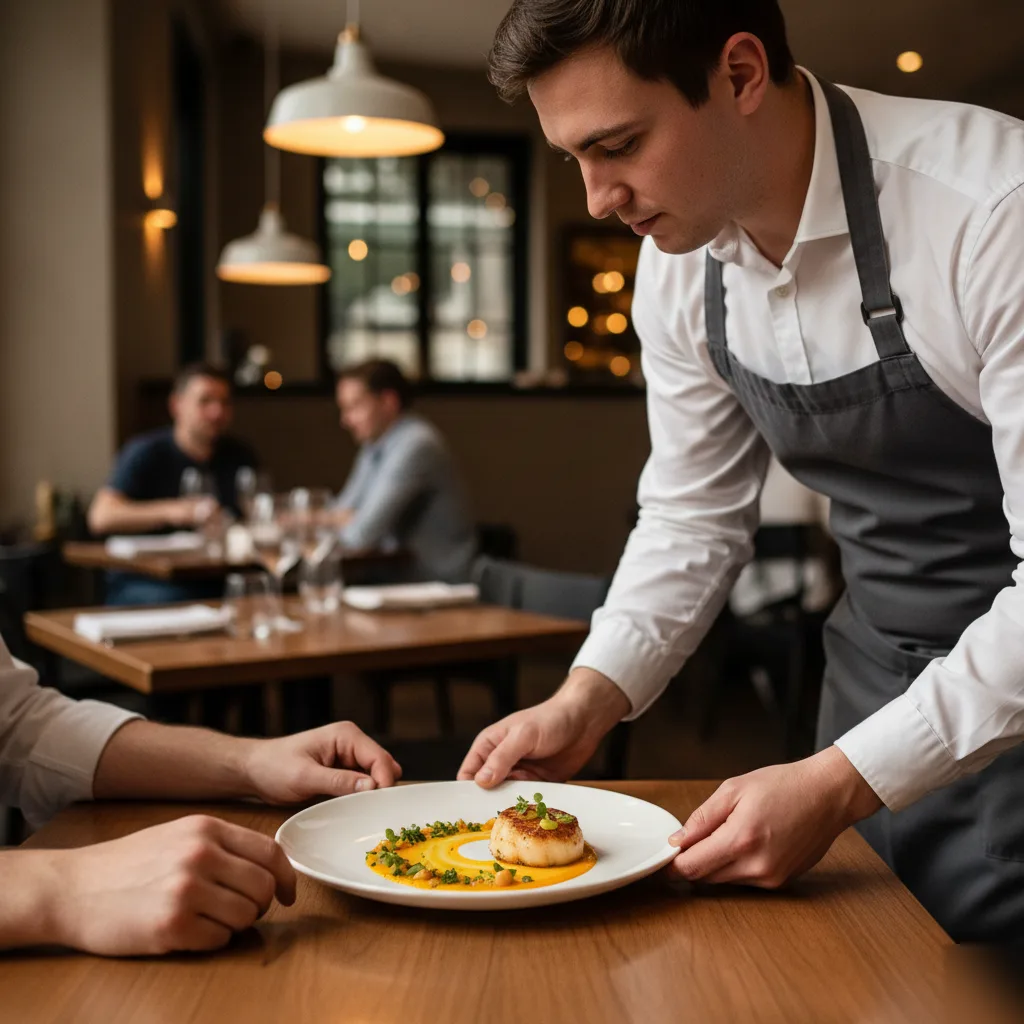
Your server does way more than write down what you want. They know the menu cold. They can tell you how a dish is prepared, flag ingredients if you have allergies, and suggest pairings from the craft cocktails or wine bar that actually match what you're eating.
We see this all the time at dinner service. A couple sits down unsure what to order. Their server walks them through a few options, mentions what's fresh that night, and suddenly the whole table relaxes. That's the job done right.
Here's what a good service team handles during your full-service dinner:
- Greeting you and managing your wait or reservation
- Explaining specials, ingredients, and how things are prepared
- Timing your courses so nothing feels rushed or slow
- Checking in without hovering over your shoulder
- Coordinating with the kitchen on special requests
Every one of those steps takes real training. Most people don't realize how much coordination happens behind the scenes just to make your meal feel effortless.
The Rhythm of a Well-Run Table
Ever notice how at a great restaurant your appetizer arrives right when you finish your drinks? That's not luck. Your server is watching the pace of your table and talking to the kitchen in real time. They hold your entrée if you're still working through a salad. They clear plates at the right moment so the table never feels cluttered.
This rhythm matters a lot for family dining. Kids eat fast. Adults want to linger. A skilled server reads the room and adjusts. A family with young kids might need things to move quicker. A couple settling in for a long evening wants to slow down and feel each course. That flexibility is what separates full-service dining from counter service or fast-casual spots.
And out here on the patio, with the Book Cliffs sitting out past the fairways, people tend to linger anyway, the view has a way of making you forget what time it is.
Behind the Scenes Counts Too
Your server is the face of the team, but there's a whole crew you might never see. Bussers keep your table clean between courses. A bartender builds your craft cocktails with care. Expediters in the kitchen make sure every plate goes to the right seat at the right temperature.
When someone asks what makes a full-service dinner worth it, the honest answer is coordination. It's a dozen people working together so your only job is to enjoy the meal.
But here's what we really want you to understand. The service team isn't just delivering food. They're shaping how the whole evening feels. A great server turns a regular Tuesday dinner into something you actually remember. A distracted one can make even perfect food feel forgettable.
That's why we put so much focus on the people side of dinner service. The food has to be great. The drinks from our wine bar and craft beer selection need to deliver. But the team pulling it all together is the difference between eating out and actually dining out.
If you've been thinking about booking a dinner for a special occasion, or even just a weeknight out in Grand Junction, the experience starts with who's taking care of you.
Frequently Asked Questions
What courses are typically included in a full-service dinner?
A full-service dinner usually includes an appetizer, a soup or salad course, a main entrée, dessert, and after-dinner drinks. Some restaurants also offer a palate cleanser between courses. Each course has a job — moving you from light flavors to richer ones and back again. The sequence is deliberate. It paces the meal so you never feel rushed or overly full too early. That rhythm is what separates a full-service dinner from just grabbing a plate of food.
How long should a full-service dinner take from start to finish?
A full-service dinner typically takes between 90 minutes and two hours from start to finish. That's not slow — that's the point. Good restaurants aim for about ten to fifteen minutes between courses. That gives you time to talk, sip your drink, and actually enjoy the evening. Feeling rushed at a full-service restaurant is a red flag. If your entrée lands before your drinks, or your dessert is offered while you're still eating, the kitchen and server aren't working together the way they should be.
What should I expect when I sit down at a full-service dinner restaurant near downtown Grand Junction?
You should expect to be greeted and seated within moments of walking in. From there, a server introduces themselves and takes your drink order before anything else. Appetizers come next, then your main course, then dessert if you want it. Near downtown Grand Junction, many full-service restaurants follow this same structured flow. You're not expected to rush. Take your time with each course. If you want to see exactly how our dinner service runs from start to finish, visit our dinner service page for the full picture.
What's the difference between full-service dining and casual dining in Grand Junction?
Full-service dining in Grand Junction means a dedicated server guides your entire meal from greeting to check drop. Casual dining usually means you order at a counter or get limited table attention. At a full-service restaurant, your drinks arrive before your food menu, courses come out in order, and someone checks on your table throughout the evening. You're not just eating — you're spending time. That difference matters most on date nights, birthdays, or any evening worth remembering.
Is it a common mistake to think full-service dining is just about the food?
Yes — and it's one of the most common misunderstandings we see. Full-service dining is about the whole experience, not just what's on the plate. The greeting when you walk in, the drink service before you even open the menu, the pacing between courses — all of it matters. The National Restaurant Association notes that guest satisfaction scores rise when service follows a consistent sequence. The food is the centerpiece, but the service structure around it is what makes the evening feel special.
Do Grand Junction restaurants follow the traditional French course order or something different?
Most Grand Junction restaurants use the classic course sequence as a foundation but adapt it to fit their style. Some combine soup and salad into one course. Others skip the palate cleanser entirely. The core order — starter, salad or soup, entrée, dessert — stays consistent because it works. Local spots near the Redlands or downtown may put their own spin on portions or timing, but the goal is always the same: move you through the meal in a way that feels natural and satisfying, not rushed or disjointed.