
What Is a Craft Cocktail Compared to a Regular Drink? A Grand Junction Guide
What Makes a Cocktail 'Craft' in the First Place
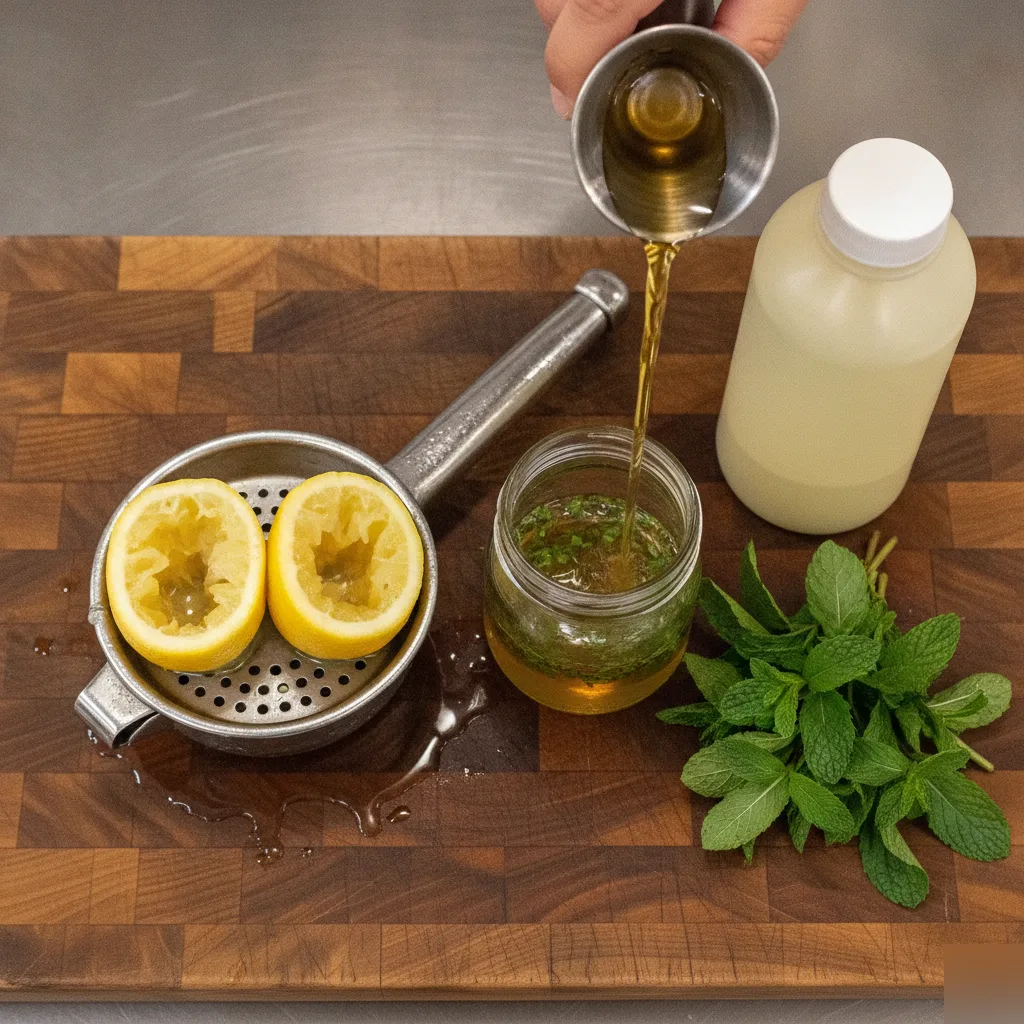
So what actually makes a cocktail 'craft' instead of just a regular drink? Craft cocktails at Ocotillo lean on fresh ingredients, real fruit juice, and house-made mixers instead of bottled sour mix or soda gun syrups. A regular drink is quick and simple, built from whatever's already premixed behind the bar. The gap between them comes down to time, ingredients, and the skill of whoever's making it.
Here's the thing. A regular drink and a craft cocktail might start with the same base liquor, but they end up worlds apart. A regular drink usually means well vodka, a splash of soda, maybe a lime wedge tossed on for good measure. Ten seconds, done. A craft cocktail takes longer, and that's kind of the whole point. Instead of just pouring and stirring, the bartender is measuring, shaking, and balancing flavors on purpose.
People often assume craft just means a fancy garnish or a clever name on the menu. Really, it's about process. Bartenders in Grand Junction who take craft cocktails seriously are juicing citrus that same morning, not squeezing it from a plastic jug. They're reaching for fresh herbs, house syrups, and spirits chosen to fit the drink, not whatever happens to be cheapest on the shelf.
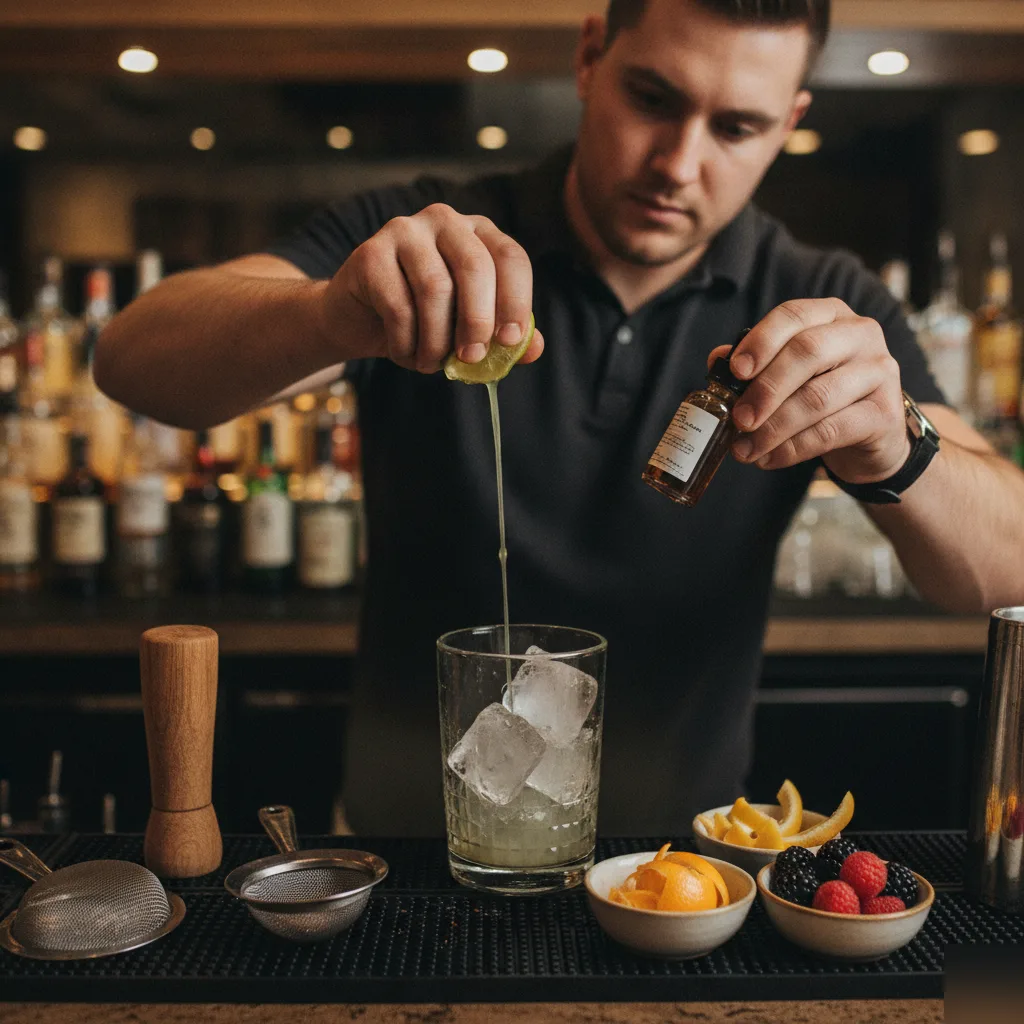
- Fresh-squeezed juice instead of bottled sour mix
- House-made syrups, shrubs, or infusions instead of store-bought bottles
- Measured pours for balance, not just a quick free-pour
- Spirits chosen to match the drink's flavor, not just whatever's cheapest
- A bartender who tastes and adjusts before it hits your table
Take a margarita, for example. The regular version usually comes from a mix, poured over ice in about five seconds. A craft version is a different animal entirely: fresh lime juice, house-made agave syrup, maybe a salt rim with a hint of smoked chili. Same name on the menu, completely different experience. One works fine when you just want a quick sip. The other is the one you actually remember.
So why should this matter to you? Because once you've tasted the difference, it's tough to go back.
Most people don't clock this until they try both side by side. A regular drink is perfectly fine when you're in a hurry or just want something cold. But a craft cocktail is built for the moment, not just the buzz. It's slower, more balanced, and honestly more fun, especially when you order something new and see what the bartender does with it.
None of this is about being fancy for the sake of it. It's about care. A craft cocktail menu tells you the bartender actually thought about what's going into your glass, not just what's fastest to pour.
Craft Cocktail vs. Regular Drink: The Real Differences
A regular drink moves fast. Someone pours the liquor, splashes in a mixer, maybe drops a lime wedge on top, and it's in your hand. A craft cocktail slows things down on purpose. The bartender measures every pour, reaches for fresh juice instead of a syrupy shortcut, and builds the drink like a small recipe with real steps. Same base spirit, completely different result.
A lot of people assume craft just means pricier ingredients. Really, it's about technique. A margarita made with bottled sour mix and one made with fresh lime, real orange liqueur, and a proper shake might share a name, but they taste like two entirely different drinks.
- Ingredients: Fresh citrus, house-made syrups, and quality spirits instead of pre-made mixers
- Technique: Proper shaking, stirring, or building based on what the drink needs
- Ratios: Measured pours for balance, not a heavy hand or a guess
- Ice: Clear, dense ice cubes that melt slower and don't water down the flavor
- Presentation: The right glass, a fresh garnish, and a drink that looks as good as it tastes
Take a whiskey sour. A regular version made with sour mix from a gun tends to land flat and overly sweet. A craft version uses fresh lemon juice, in-house simple syrup, and maybe an egg white for texture. You notice the difference on the first sip. It's brighter, better balanced, and it tastes like someone actually cared about it.
Ice matters more than most people expect. Regular drinks often get scooped ice that's full of air pockets and melts fast, watering everything down within minutes. Craft cocktails use denser ice that keeps things cold without drowning out the flavor. It's a small detail, but it makes a real difference by your third sip.
So is it worth ordering a craft cocktail over a regular drink? If flavor matters to you and you want something that feels made just for you, yes. If you just want alcohol, fast, a regular drink does the job fine. Nothing wrong with that either.
Grand Junction has no shortage of spots pouring regular drinks. Fewer places put in the work to build a real craft cocktail menu, with fresh ingredients and proper technique, every single night.
Why Craft Cocktails Take More Time to Make
A regular drink is quick: pour, mix, done. A craft cocktail is a whole different process, and you can taste it in every sip.
Here in Grand Junction, we build our craft cocktails from scratch most nights. That means real citrus juice squeezed that day, syrups simmered on the stove, and herbs muddled by hand. A regular drink skips all of that: soda gun, bottled mixer, maybe a splash of juice from a carton. Fast, sure, but flat.
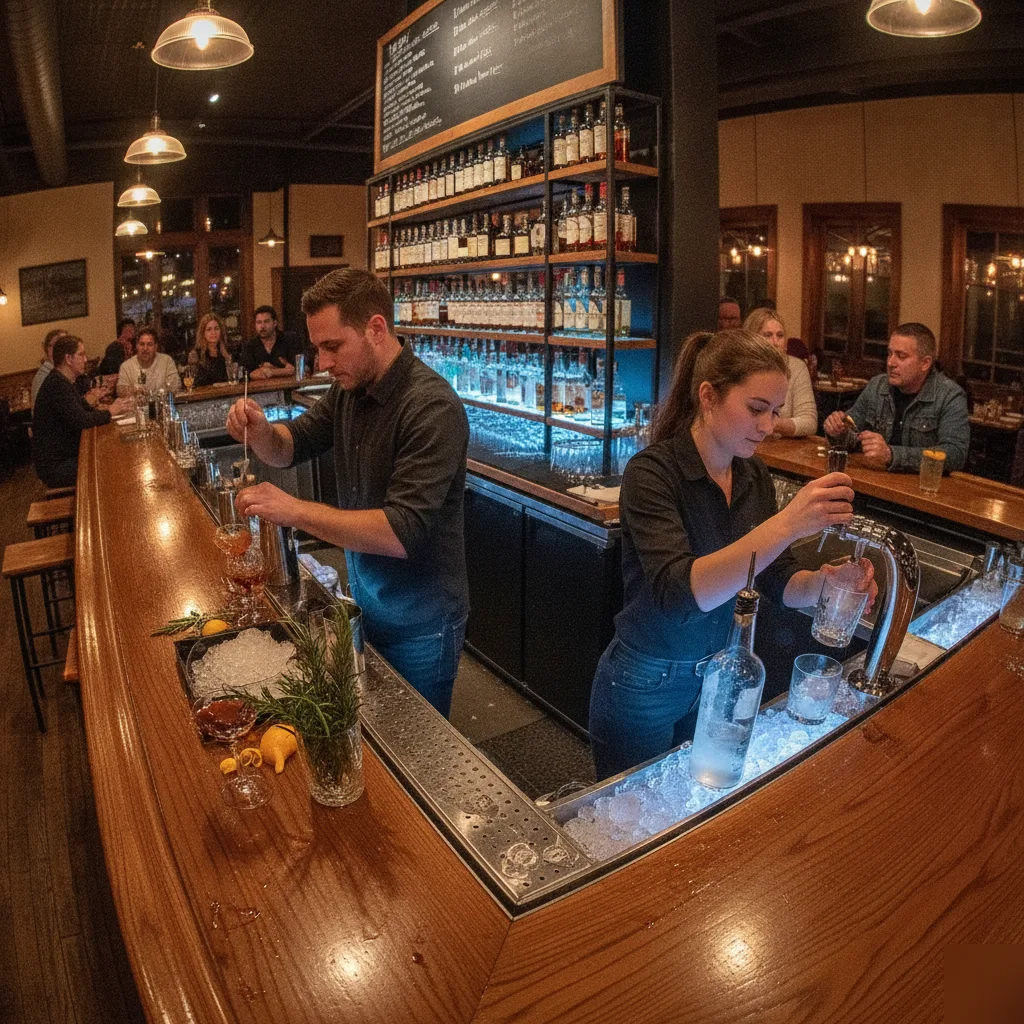
So why does craft take longer? Because every ingredient has to earn its spot in the glass.
- Fresh juice gets squeezed or strained right before service, not poured from a jug
- House syrups simmer for 20 to 30 minutes, then cool before they're usable
- Herbs and fruit get muddled by hand to release oils and flavor, not just dropped in for garnish
- Ice matters too, big clear cubes melt slower and don't water down the drink as fast
- Each pour gets measured with a jigger, not free-poured, so the balance stays right every time
Every once in a while someone orders a craft cocktail expecting bar-speed service. It's not that we're slow, it's that we're building something. Think about a whiskey sour made with real lemon juice and house simple syrup versus one poured from a sour mix bottle. One takes ninety seconds and tastes like sugar water. The other takes a few extra minutes and tastes like whiskey, lemon, and a touch of sweetness, all actually working together.
Most people don't realize this until they taste the difference side by side.
And it's not just about mixing, it's technique. Shaking a cocktail with egg white or citrus adds air and texture, and that takes a proper shake, not a stir. Stirred drinks, like an old fashioned, need slow dilution from the ice; rush it and the drink ends up too strong or too weak. Straining matters too. A fine mesh strainer catches pulp and ice chips that a regular pour would let right through.
Here's the payoff, though. When you sit down for happy hour or dinner and order off our craft cocktails list, you're getting a drink built with intention. Every glass gets the same care, whether it's a busy Friday night with live music or a quiet weekday lunch.
Frequently Asked Questions
What should I expect when I order a craft cocktail for the first time?
Expect a short wait and a drink built just for you. The bartender will measure each pour, use fresh juice, and maybe muddle herbs or fruit right in front of you. It won't come out in five seconds like a regular drink. That wait is the whole point. You're getting a cocktail made with care, not just poured from a bottle. Once you see the process, you'll understand why it tastes so different from a quick bar pour.
Why do craft cocktails at Grand Junction bars take longer to make than a regular drink?
Craft cocktails take longer because every ingredient gets made fresh instead of grabbed premade. Bartenders in Grand Junction squeeze citrus that day, simmer syrups on the stove, and muddle herbs by hand. A regular drink skips all that and comes straight from a soda gun or bottled mixer. The extra minutes go straight into flavor. That's the tradeoff: a little more time for a drink that tastes balanced.
What's the biggest misconception people have about craft cocktails?
Most people think craft just means a fancy garnish or a cute name on the menu. It's really about the process behind the drink. A craft cocktail uses fresh juice, house-made syrups, and careful measuring instead of shortcuts. The garnish is just the last step, not the reason it's called craft. If the bartender didn't change how the drink was made, it's still a regular drink no matter how it looks.
How can I tell if a Grand Junction bar is really making craft cocktails or just calling them that?
Look at what's happening behind the bar, not just the menu wording. A real craft cocktail bar squeezes fresh citrus, measures pours with a jigger, and uses house-made syrups instead of bottled ones. If your drink arrives in seconds flat with no shaking or straining, it's probably a regular drink with a fancy name. Watching the bartender work is the easiest way to spot the difference before you even take a sip.