
Group Dinner Service: How Attentive Is Staff? | Ocotillo
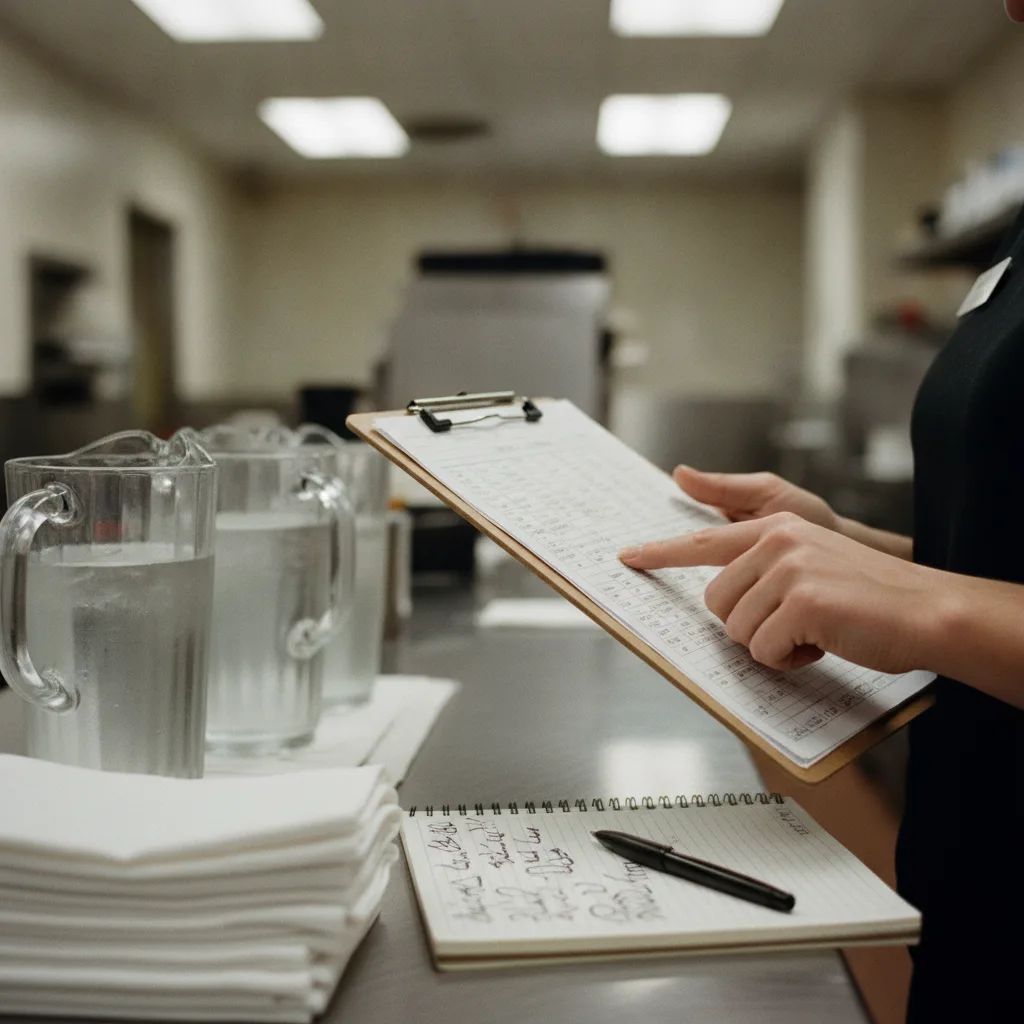

What Attentive Service Actually Looks Like for a Large Group
Most people picture attentive service as a server who refills your water glass. That works fine for a table of two. But when you've got 15, 20, or 30 guests gathered for dinner, the whole game changes, attentive service means something completely different at that scale.
It starts before anyone sits down.
A staff that's on top of things for large groups will have already mapped out the evening. They know the seating layout. They've confirmed dietary needs. They've assigned specific servers to specific sections of your party so nobody falls through the cracks. We see this go wrong at events around Grand Junction regularly, a big group walks in and the staff scrambles. That's a sign no one planned ahead.
The Small Details That Add Up
Here's what attentive actually looks like when your whole crew shows up for dinner:
- Drinks arrive within minutes of sitting, not after a 20-minute wait while the server figures out who ordered what
- Food comes out in coordinated waves so half the table isn't watching the other half eat
- Someone on staff is watching the pace of the meal and adjusting timing for courses or dessert
- Empty plates disappear without anyone flagging down a server
- The check situation is handled cleanly, whether it's one bill or ten separate ones
None of that happens by accident. It takes a crew that's done this before and knows how to communicate during a busy dinner service in Grand Junction.
What You Actually Feel When It's Done Right
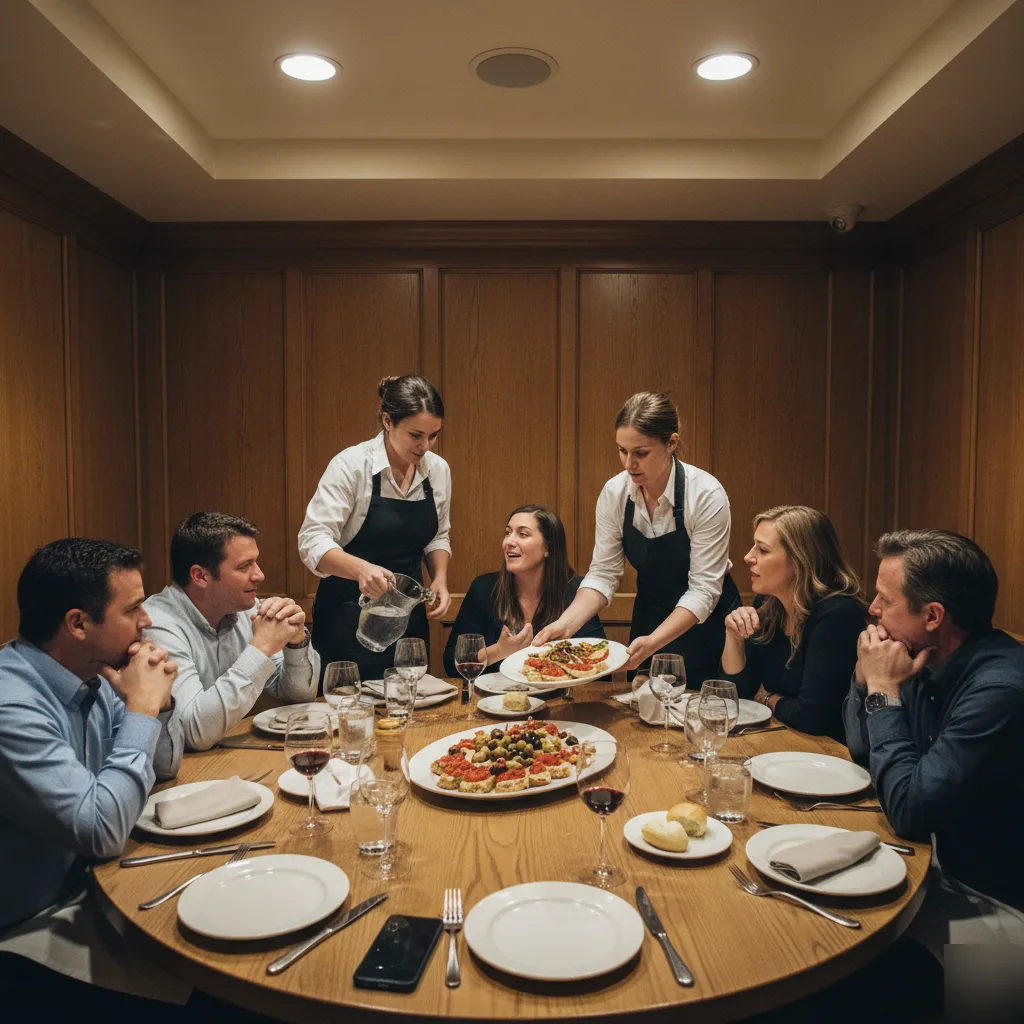
Think about the last time you hosted a group outing. Did you spend the whole night playing middleman between your guests and the staff? That's a red flag. You shouldn't have to manage the restaurant's job for them.
When service staff are genuinely attentive during a large group dinner, you barely notice them working. But everything just flows. Your aunt's gluten-free meal shows up without her having to remind anyone. The birthday cake appears at the right moment. Someone quietly moves extra chairs over when two more friends show up.
And the host gets to actually enjoy the evening.
We've hosted corporate events and private event gatherings where the party organizer told us afterward they were shocked they didn't have to micromanage a single thing. That's the standard, not the exception.
Staff Ratio Matters More Than You Think
The National Restaurant Association puts it plainly: guest satisfaction drops when a single server handles more than six guests during a seated dinner. For a group of 24, you'd want at least four dedicated staff members. Not two people running ragged trying to cover the whole table.
So how do you know if a venue is set up for this? Ask them directly. How many servers will be assigned to our group? Do you have a point person we can talk to during the event? These aren't demanding questions. They're smart ones.
If you're planning a large gathering in Grand Junction, whether it's an after-work get-together that grew into a full dinner or a family celebration at a long table, the difference between a good night and a stressful one comes down to this. Did the staff pay attention, or did they just take orders?
Curious what attentive large group service looks like in practice? Check out our dinner service page to see how we handle parties of every size.
Team Service Is the System Behind Smooth Group Dinners
Most people picture one server handling their table. That works fine for a party of four. But when you've got 15 or 20 people sitting down together, a single server can't keep up. Drinks fall behind. Food arrives cold on one end and hot on the other. Someone's order gets lost entirely.
That's why team service matters.
Team service means multiple staff members share responsibility for your group. One person handles drink refills. Another runs food from the kitchen. A third checks in on the table to make sure everyone's set. They work together like a crew, not solo performers.
How Team Service Actually Works
Here's what a solid team service setup looks like during a large group dinner:
- A lead server greets the group and takes the initial drink orders.
- A second server starts at the opposite end of the table to split the workload.
- A food runner brings plates out in a coordinated wave so everyone eats together.
- A barback or support staff keeps water glasses full and clears empty plates.
- The lead server circles back to check on the whole group at regular intervals.
This rotation keeps the table moving. Nobody waits too long. And the staff doesn't burn out halfway through the night.
We see the difference every week at our private event space here in Grand Junction (and it's more obvious than people expect). A corporate group of 25 came in for an after-work gathering last fall. Two servers worked the table in sync. One guest told us afterward she didn't even realize there were two servers because the handoffs were so smooth. That's the goal.
Why One Server Can't Do It Alone
Think about it this way. A single server managing a 20-person table has to remember 20 orders, refill 20 drinks, deliver 20 plates, and answer 20 questions. The National Restaurant Association notes the average server handles three to four tables during peak hours. A large group basically becomes all of those tables rolled into one.
The math just doesn't work, it breaks down fast without backup.
But with team service, the load gets shared. Each staff member owns a piece of the experience. The lead server stays focused on guest satisfaction. The runners stay focused on timing. Everyone has a clear job.
Here are the signs a restaurant uses real team service for groups:
- Staff introduces themselves by role when your group sits down.
- Drinks arrive before you finish looking at the menu.
- Empty plates disappear without you flagging anyone down.
- Food comes out in waves, not one plate at a time over 20 minutes.
If you're planning a big dinner in the Grand Junction area, ask about this before you book. A venue that uses team service for large parties is telling you they've done this before. They have a system. And systems are what keep your night from falling apart.
We've hosted everything from birthday dinners to corporate events at our venue, and the staffing plan is always the first thing we lock in. The food can be right, but if the service falls flat, that's what people remember.
So when you're comparing spots for your next group dinner, don't just ask about the menu. Ask how many staff will be on your table. Ask if they use a team approach. The answer tells you everything about how attentive the service staff will actually be when it counts.
Pre-Event Communication Decides the Quality of Night-Of Service
Here's something most people don't catch until it's too late. The attentiveness you experience from service staff during your group dinner gets decided weeks before anyone sits down. It starts with a conversation, not a table setting.
We see this mistake often. Someone books a private event space for 30 guests, shares a headcount and a date, then shows up expecting everything to run itself. But the staff had no idea about the guest of honor's shellfish allergy. Nobody mentioned that half the group would arrive 40 minutes late. The bar wasn't prepped for the crowd's preferences. That's not a staffing problem, that's a communication gap.
What to Share Before Your Event
Good pre-event communication covers ground that feels obvious once you hear it. But most hosts skip at least two of these details:
- The exact flow of your evening, including when toasts or speeches will happen so servers can pause service
- Any dietary restrictions, food allergies, or strong preferences across your group
- Whether you want drinks refreshed constantly or only on request
- The mix of your guests, like whether kids will attend or if it's a corporate event with clients present
A restaurant's staff can only be as attentive as the information they're given. If your server knows a toast is coming at 7:15, they'll clear plates and top off glasses by 7:10. Without that detail, they might be mid-service when someone stands up to speak. Small thing, big difference in how the night feels.
How Grand Junction Venues Handle the Planning Phase
Most venues here in Grand Junction that host large group dinners will assign a point person. This is usually a manager or event coordinator. They'll walk through your evening step by step. The best ones ask questions you hadn't thought of yet.
We always tell hosts to plan at least two conversations before the event. The first call covers the basics. The second one, closer to the date, handles last-minute changes, guest count shifts, menu tweaks, seating adjustments. These updates let the kitchen and floor staff prepare properly.
And here's what separates a good night from a great one. When the staff already knows your plan, they're not reacting. They're anticipating. Your uncle's wine glass gets refilled before he notices it's empty. The dessert course arrives right after the last speech wraps up. That level of attentiveness looks effortless, but it was built during the planning phase.
A Real Scenario Worth Learning From
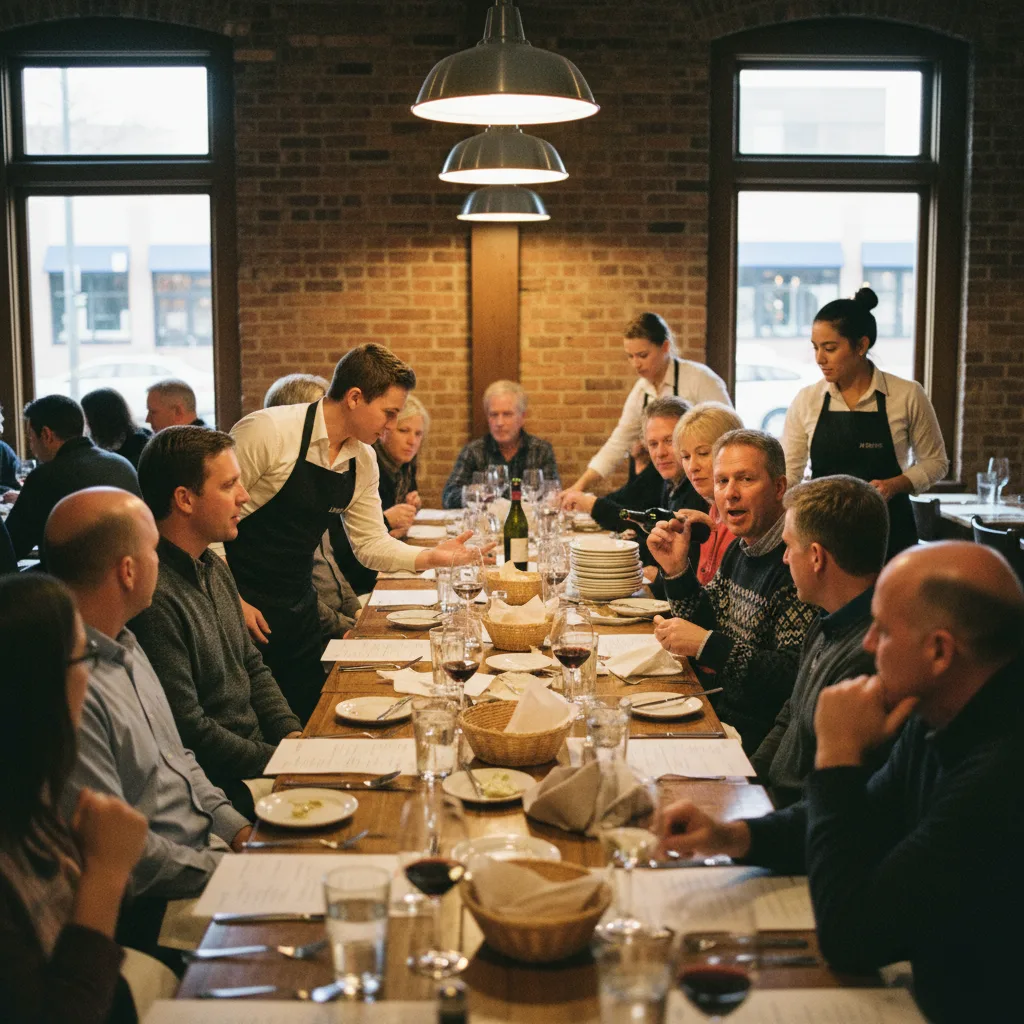
Last fall, a family booked a dinner for a reunion near the Redlands area, 28 guests, a long table, the kind of night that can go sideways fast if nobody's prepared. They sent over a detailed timeline, flagged three vegetarian guests, and mentioned that Grandma needed a chair with arms. Night of the event, the staff moved cleanly. Every course landed on time. Grandma had her spot ready. The vegetarian plates came out without anyone having to ask.
But compare that to a group the same size that shared nothing beyond "dinner for 28." The staff worked hard and spent the whole night catching up. Guests waited longer. Orders got confused. Nobody was unhappy exactly, but nobody felt taken care of either.
So before you start thinking about centerpieces or playlists, pick up the phone. Talk to the venue. Share your vision for the night. That single step shapes everything your guests will experience.
If you're starting to plan a large group dinner event, check out our private event space and corporate event options to see how we make that planning process simple from the first call.
Frequently Asked Questions
How do I know if a Grand Junction restaurant is actually prepared for a large group?
Ask two direct questions before you book: how many servers will be assigned to your group, and is there a point person you can contact during the event. A prepared restaurant answers both without hesitation. If they pause or give vague answers, that's a warning sign. Venues in Grand Junction that regularly host large groups will already have a team service system in place. They won't be figuring it out the night you arrive.
What's a common misconception about attentive service at large group dinners?
Many people think attentive service means a server who checks in often and asks how everything is. That's not enough for a large group. Real attentiveness at scale means the staff planned ahead — they know your seating layout, dietary needs, and timing before anyone sits down. Asking "how is everything?" every ten minutes doesn't fix cold food or a missing order. Attentive service for groups is a system, not just a personality trait.
How does team service differ from a single server handling a large group?
Team service splits the work across multiple staff members so no one person is overwhelmed. One server greets the group and manages the overall experience. A second handles the other end of the table. A food runner brings plates out in coordinated waves. A support staff member keeps water glasses full and clears empty plates. A single server covering 20 guests has to track 20 orders, 20 drinks, and 20 questions at once. That math breaks down fast. Team service keeps everything moving smoothly.
What is the right staff-to-guest ratio for a large group dinner?
The National Restaurant Association recommends no more than six guests per server during a seated dinner. For a group of 24, that means at least four dedicated staff members. One server trying to cover 20 or more people will fall behind on drinks, miss orders, and slow down the whole meal. When you're planning a large dinner, ask the venue directly about their staffing plan. The number they give you tells you a lot about how seriously they take group service.
What should I expect when I arrive for a large group dinner in Grand Junction?
You should walk in and feel like the staff was expecting you — because they were. A well-prepared venue will have your table set, your seating layout ready, and staff already assigned to your group's sections. Drinks should arrive within minutes of sitting down. If you're still waiting 20 minutes in while the staff figures out who ordered what, the venue wasn't ready. For a closer look at how this works in practice, our large group dinner service page walks through exactly what to expect from arrival to check.
Do large groups in Grand Junction need to communicate dietary needs in advance?
Yes, and the sooner the better. Sharing dietary needs before the event — not at the table — gives the kitchen time to prepare. A gluten-free guest shouldn't have to remind the server twice. A well-run venue will confirm those details ahead of time and flag them in the kitchen before service starts. If a restaurant waits until your group is seated to ask about allergies or restrictions, that's a sign they're not used to handling large group logistics.