
Can I Get a Non-Alcoholic Craft Cocktail at Your Restaurant? A Grand Junction Guide
What Makes a Cocktail 'Craft' Without Alcohol
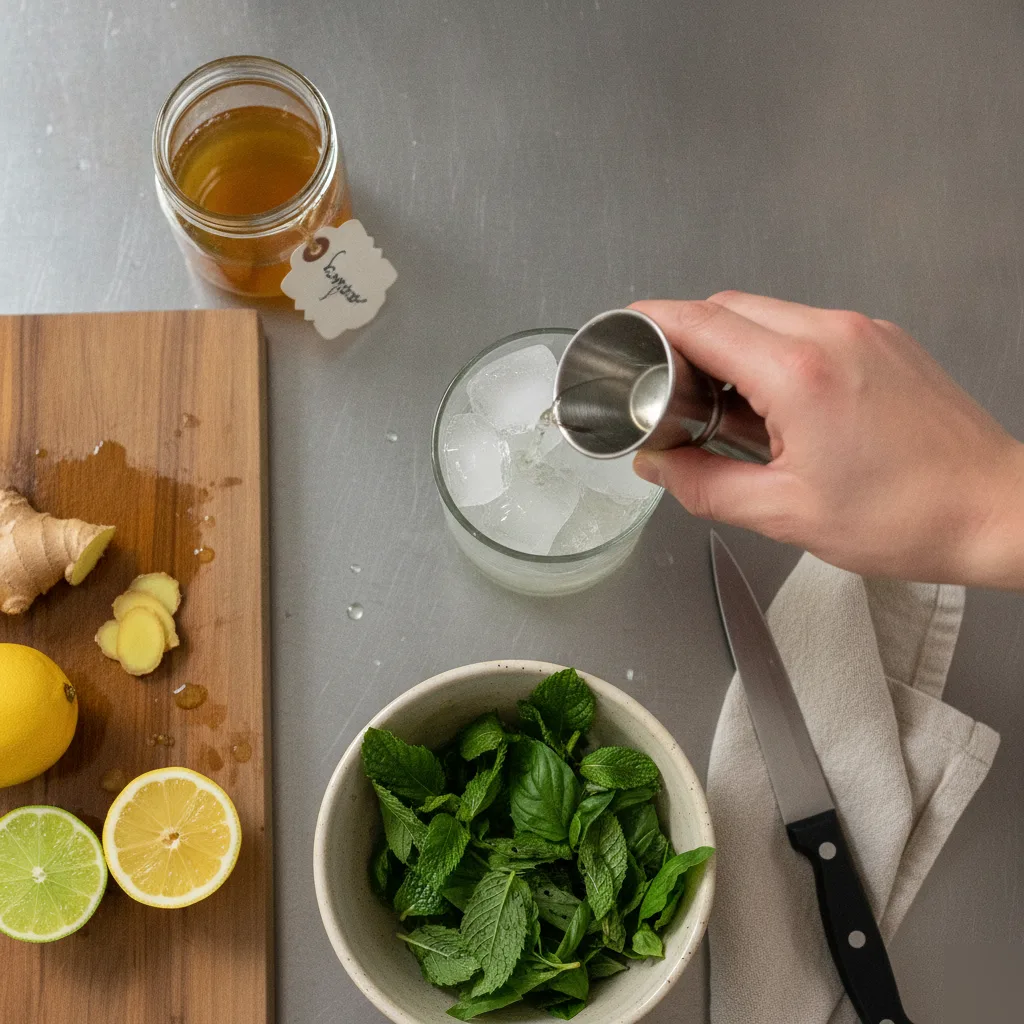
A craft non-alcoholic cocktail takes the same skill as a regular one, minus the booze. Fresh juice, house-made syrups, real herbs, layered flavor, not a soda gun with a splash of juice tossed in. So if you've wondered whether a real craft mocktail exists at a restaurant, it's a fair question, and the answer really depends on how much care went into the glass.
Here's the thing about a mocktail gone wrong: it's usually just juice and soda dumped together with no thought behind it. A true craft version gets the same attention as anything on our craft cocktails menu, fresh-squeezed citrus, muddled herbs, house syrups, and a shaker full of ice actually doing its job.
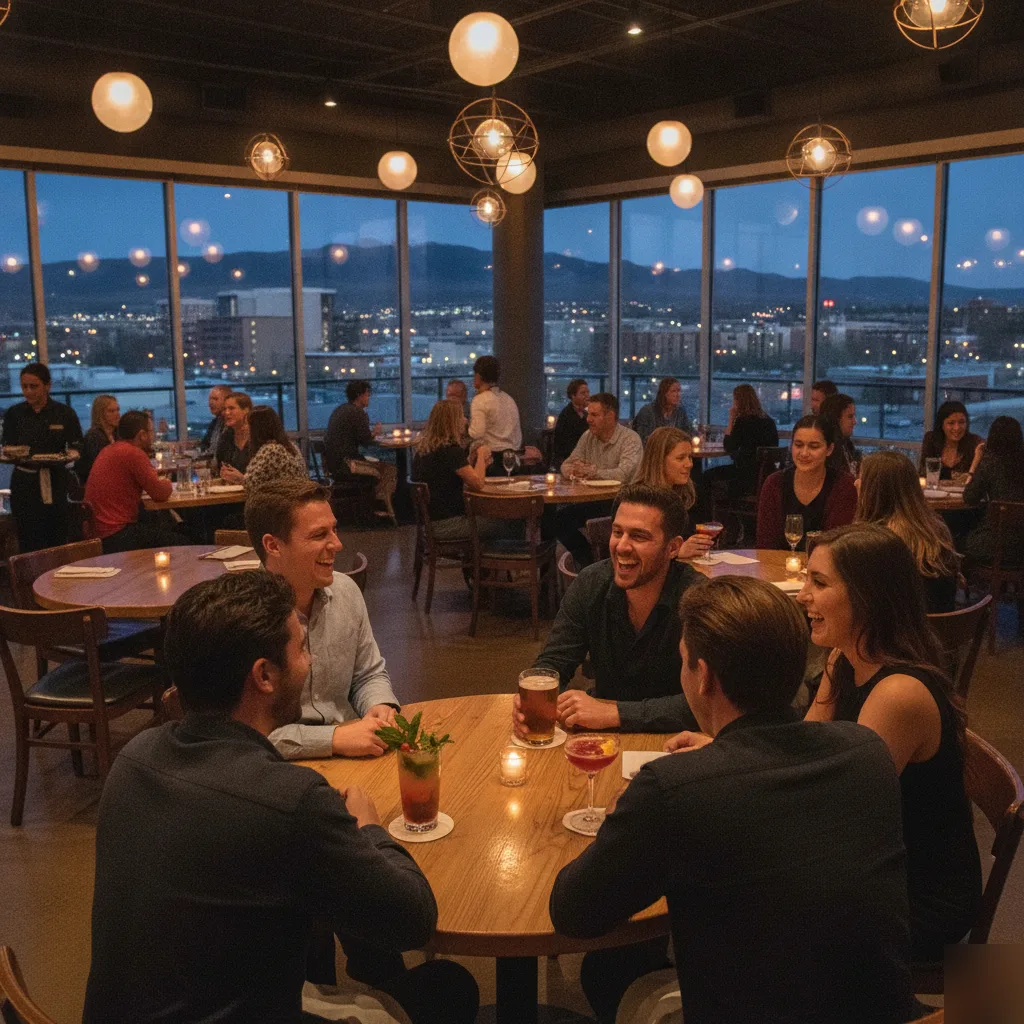
We've watched guests order a mocktail expecting something flat and overly sweet, then light up after the first sip. That reaction says it all. Craft isn't an ingredient, it's a process.
- Fresh-squeezed juice instead of bottled mixers or concentrate
- House-made syrups with real fruit, herbs, or spice, not artificial flavoring
- Proper shaking or stirring technique for texture and dilution
- A garnish that adds aroma, like a citrus twist or fresh mint sprig
- Balance between sweet, sour, and bitter, just like a classic cocktail recipe
Bitters are the piece most people forget. Good non-alcoholic bitters give a drink that bitter backbone it needs, no alcohol required. A splash of shrub, a vinegar-based fruit syrup, can bring the tang you'd usually get from a spirit. Small touches, but they make a real difference.
Texture matters more than most people expect.
A shaken drink made with egg white substitute or aquafaba gets that same frothy top you'd see on a whiskey sour. A stirred drink picks up that silky weight. Skip the technique and you're just left with flavored water in a nice glass. That's why every non-alcoholic order gets the same bar tools and the same care as anything else off our craft cocktails list.
Here's a good test: would you still drink it if it had alcohol in it? That's what separates a craft mocktail from an afterthought. If the answer's no, something's missing in the build, not just the booze.
Why Restaurants Are Expected to Offer Non-Alcoholic Options
Ten years ago, if you weren't drinking, your options were soda or water. Not anymore. So the question we hear often is a simple one: can a sit-down restaurant actually deliver a well-made non-alcoholic drink? People ask because they want what their friends are having, a nice glass, real flavor, something worth sipping slowly.
Grand Junction's dining scene has grown up fast. New restaurants keep opening, wine bars keep popping up, and people expect more than a flat mocktail from a soda gun. We've watched this shift happen firsthand. A few years back, almost nobody asked about non-alcoholic drinks. Now it's one of the most common questions we hear from guests booking a table for brunch or a night out.
Think about who's actually asking. Designated drivers. Pregnant guests. People training for a race, or just cutting back for their health. And a growing number who simply don't drink, no explanation needed. Restaurants that ignore this group are leaving business on the table, plain and simple.
- Guests want the same craft cocktail experience, minus the alcohol
- Health trends have more people cutting back on drinking
- Group outings often include a mix of drinkers and non-drinkers
- Word travels fast when a restaurant handles this well
- Diners now check menus online before deciding where to eat
A national trend report from NCSolutions found nearly half of US adults now try to limit alcohol for health reasons. That's not some small niche, that's your Friday night dinner crowd.
We saw this play out at a birthday dinner not long ago. Six guests, one designated driver, one pregnant friend. The driver ordered a non-alcoholic craft cocktail instead of water, and it changed the whole feel of the table. Nobody sat out. Everybody raised a glass together. That's really the point.
Offering non-alcoholic craft cocktails isn't just a nice extra anymore, it's part of what makes a restaurant feel welcoming to everyone at the table, not just the ones ordering wine or beer. Our bar treats these drinks with the same care as our craft cocktails, using fresh ingredients and real technique instead of a shortcut syrup.
Grand Junction diners have no shortage of places to spend an evening out.
But the restaurants that keep filling tables are the ones paying attention to this shift, not the ones still stuck in the soda-and-water era.
How to Order a Non-Alcoholic Craft Cocktail Without Guesswork
So how do you order one without fumbling through the menu? It's easier than you'd think. Most Grand Junction diners assume they need to ask some special question or explain themselves. You don't.
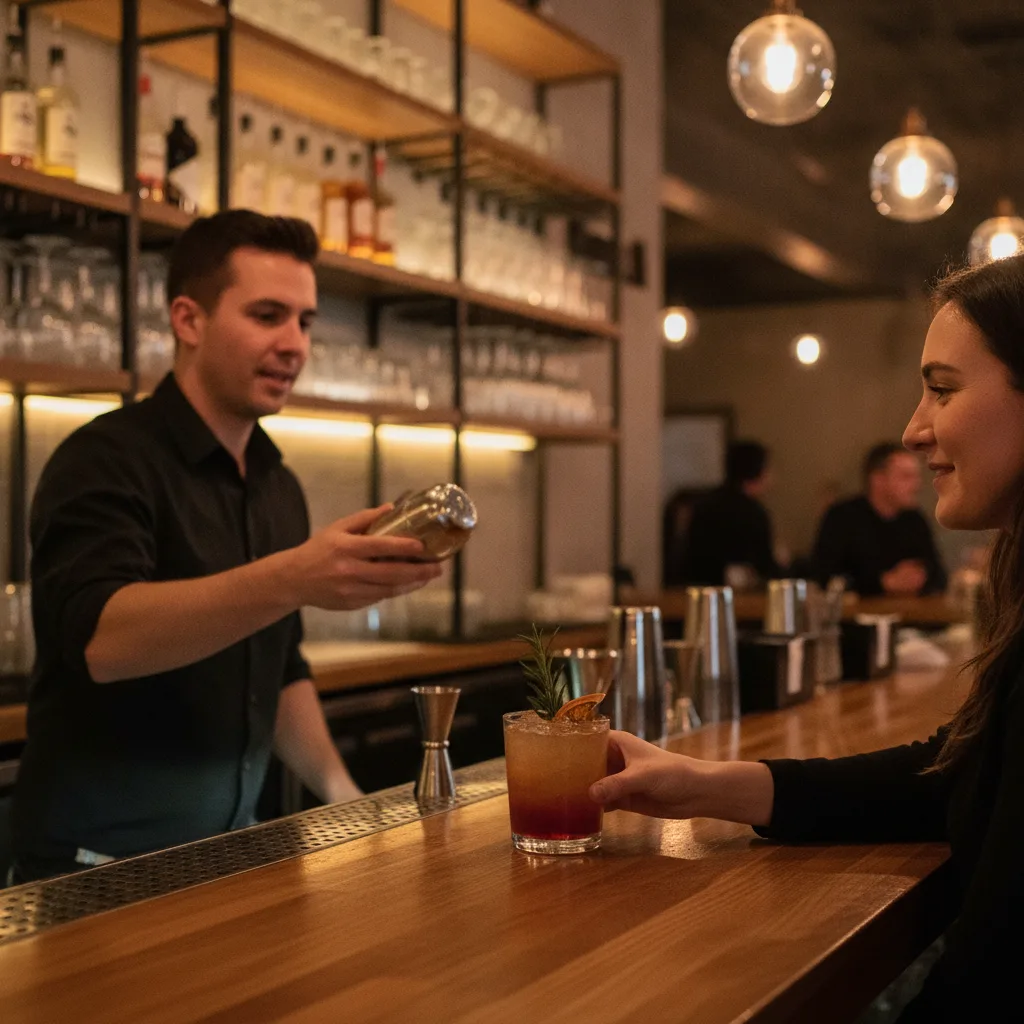
We built our happy hour specials and craft cocktails menu with this exact moment in mind. A guest walks up, maybe it's a designated driver, maybe someone just wants a break from drinking that night, and they still want something that feels like part of the fun.
- Ask your server directly for a non-alcoholic craft option. It's a normal question here, no explanation needed.
- Mention if you like it sweet, tart, or bitter. This helps us match a base spirit-free mixer to your taste fast.
- Ask what's in season. Our happy hour specials rotate, and non-alcoholic options often follow the same fresh ingredients.
- Pair it with something from the menu. Our salads, sandwiches, or burgers and fries work great alongside a mocktail.
- Speak up if you want it stronger on flavor. We can add extra citrus, herbs, or bitters without adding alcohol.
- Save room to try another one. Most guests order two or three during a full happy hour visit.
That's really it. Six steps, and most take under a minute at the table.
Here's a scene we see all the time. A group comes in after work for our after work gatherings crowd. One person's driving, two others just aren't in the mood to drink. The server rattles off a couple of non-alcoholic craft cocktail options built the same way as our regular drink specials, just without the spirit. Nobody feels singled out. Everybody ends up with a drink that fits the mood.
One thing worth knowing before you order: timing matters a little.
During slower lunch hours, we've got more time to build something custom. On a packed Friday night with live music going, we'll usually point you toward a couple of go-to options that are quick to make and already dialed in. Both routes taste great, one's just faster.
Don't worry about sounding picky either. Want it less sweet? Say so. Want a bigger glass because you're settling in for a set from our outdoor live music lineup? Just ask. We'd rather adjust a drink twice than hand you something you don't actually enjoy.
Frequently Asked Questions
What Are Craft Cocktails?
Craft cocktails are thoughtfully composed drinks made with premium spirits, fresh ingredients, and intentional technique — prioritizing quality and creativity over speed or convenience.
Craft cocktails go beyond the standard pour by emphasizing house-made syrups, fresh-squeezed citrus, artisanal bitters, and carefully sourced spirits. Each drink is treated as a culinary creation with balanced flavor, proper dilution, and deliberate presentation. Whether you're sipping a smoked old fashioned or a garden-herb gin fizz, craft cocktails reflect a bartender's skill and a bar program's overall philosophy.
Where Can I Find Quality Craft Cocktails Near Me?
Craft cocktails are best found at dedicated cocktail bars, upscale restaurants with curated bar programs, and hospitality venues with trained mixologists on staff.
If you're searching for standout craft cocktails in western Colorado, Ocotillo at Redlands Mesa Golf Course offers a rotating cocktail menu featuring premium spirits and locally inspired flavors. Beyond Grand Junction, craft cocktail culture thrives at independent speakeasies, farm-to-table restaurants, and hotel bars in mid-to-large markets — look for venues that list house-made ingredients or seasonal menus as a quality signal.
How Do You Make a Craft Cocktail?
Making a craft cocktail starts with selecting a quality base spirit, building a balanced flavor profile with modifiers and fresh ingredients, then applying the correct mixing technique — shake, stir, or build.
To create craft cocktails at home or behind a bar, begin with a premium base spirit and layer in complementary elements: a sweetener (simple syrup, honey, or liqueur), an acidic component (citrus or shrub), and aromatic enhancers like bitters or herbs. Technique matters — stirred drinks stay silky and spirit-forward, while shaken drinks gain aeration and chill. Always finish with intentional garnishes that reinforce the flavor profile.
What Are Some Examples of Craft Cocktails?
Popular examples of craft cocktails include the Aperol Spritz, Mezcal Negroni, Smoked Old Fashioned, French 75, and seasonal farm-to-glass creations unique to individual bar programs.
Craft cocktails span a wide range of flavor profiles and techniques. Classic riffs like the Mezcal Negroni or Spicy Margarita showcase spirit-forward complexity, while lighter options like the Hugo Spritz or Elderflower Gimlet highlight fresh, floral notes. Many bars offering craft cocktails also feature rotating seasonal menus that incorporate local ingredients, making each visit a slightly different experience.
Who Typically Leads a Craft Cocktail Program?
Craft cocktail programs are typically owned or led by a head bartender, bar director, or beverage manager who develops the menu, sources ingredients, and sets the creative direction.
Behind every great craft cocktail menu is a skilled professional — often called a mixologist or bar director — responsible for recipe development, spirit sourcing, and staff training. In restaurant settings, this role frequently collaborates with the executive chef to align cocktail flavors with the food menu. At destination venues like Ocotillo, the bar program is an intentional extension of the overall guest experience.
What Does "Dirty" Mean in Bartending?
In bartending, "dirty" means a splash of olive brine has been added to a cocktail — most commonly a Dirty Martini — creating a saltier, savory flavor profile.
The term "dirty" within craft cocktails and classic bartending refers specifically to the addition of olive juice or brine to a drink, which clouds the appearance and adds a briny, umami-forward element. A "dirty martini" is the most recognizable version, though the modifier can apply to other spirit-forward builds. Guests can typically request "extra dirty" for more brine or "slightly dirty" for just a hint.